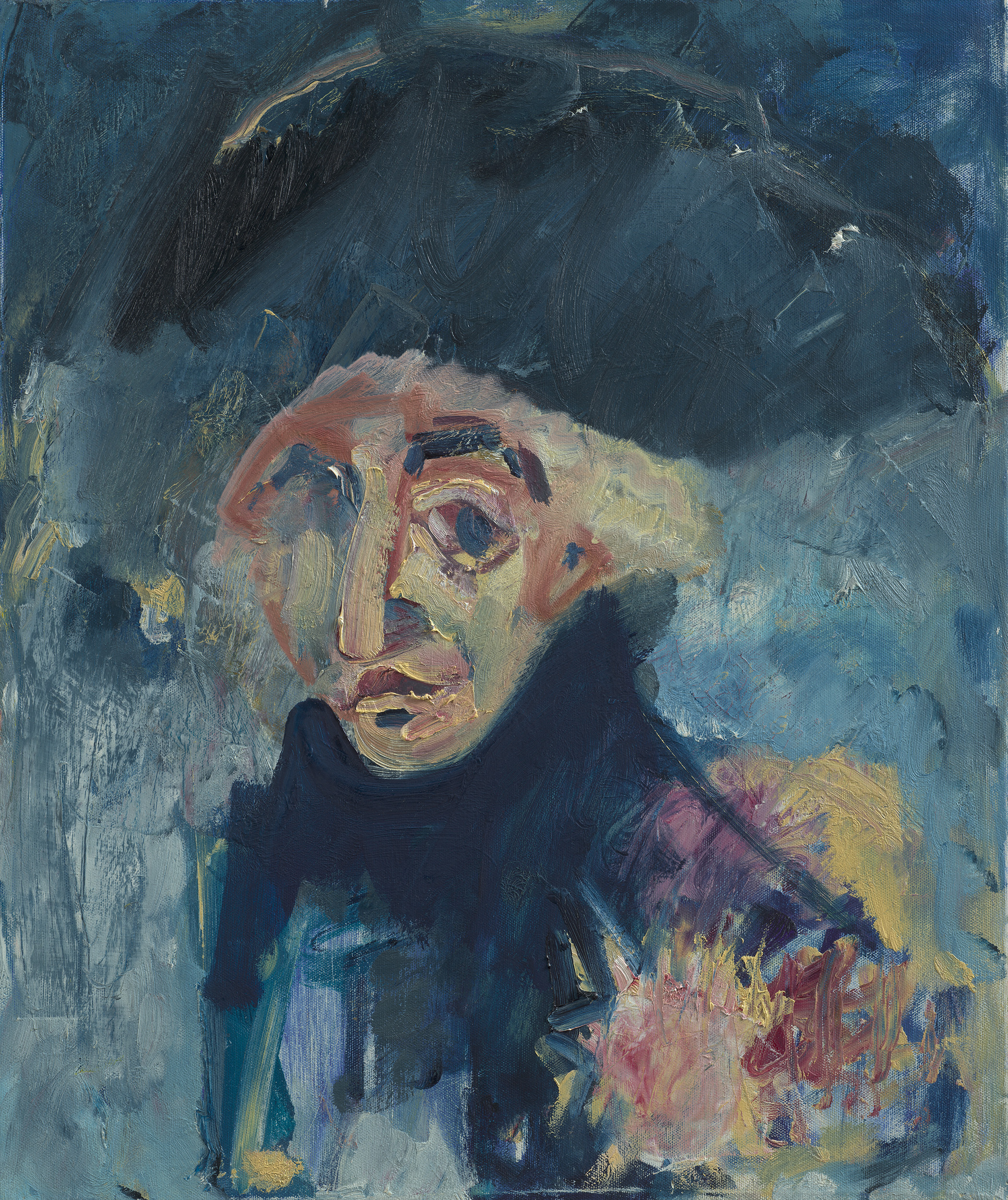
Lamented Hero – The Misunderstood Life & Times of Horatio Nelson

The life of Nelson has been told many times before (often, funnily enough, in weighty books called The Life of Nelson). I have an urge to tell it differently.
I began working on Lamented Hero in lockdown. I aim to have it published before the next. Or, in spring 2026. Whichever comes first.
Horatio Nelson biographies routinely share two things in common.
First, they tend to assume knowledge. They assume we know why England was fighting France. They assume we know how the navy worked and how people lived. They assume we know who was in charge of the country, and, generally, how the Georgian world turned. I’d humbly suggest that, like me, most people don’t have this knowledge ingrained. They might, dare I suggest, have other things on their mind.
Second, Nelson biographies are nearly always determined to ‘shatter myths’. The problem is, this myth-shattering has been going on for more than a century; it’s been going on for so long, in fact, that most people don’t even know what the Nelson myths are (making it hard to be impressed by scholarly authors attempting to ‘shatter’ them).
Based on my conversations since I began writing this book, it’s clear that most people don’t actually know much about Nelson’s life at all, beyond his blind eye and inability to clap his hands.
Thus, Lamented Hero will do its best not to assume knowledge either of Georgian England or Nelson’s life.
Beyond life at sea, many Nelson biographies square their focus on the corridors of power, whether in Parliament or on the continent. They highlight scandals of the ruling classes, but not the scandals of the streets. My book will look more at day-to-day life in Georgian Britain, from the threat of disease to the threat of accidentally hearing a verse of Romantic poetry.
Lately, Nelson has become the poster boy of Empire. Akala’s 2018 book, Natives, had Nelson’s Column plonked on the front cover. There has even been talk of toppling the statue and renaming Trafalgar Square. Nelson is, it appears, being routinely implicated in crimes he did not commit, crimes to which he would almost certainly be appalled to see his name attached.
Nelson remains an emblem of British naval power. Today, the very concept of Britain as a former sea power has become an unexpected source of national embarrassment. The indie band, British Sea Power, for instance, recently changed their name to simply Sea Power (a decision so odd as to not warrant further comment).
In a career spanning just over thirty years, Horatio Nelson’s acts of daring did indeed secure Great Britain’s domination of the seas for the ensuing Victorian era of imperialism. His actual aim, however, had been to repel the ongoing threat of invasion.
Nelson’s career reached its peak and conclusion in 1805, at Trafalgar, off the coast of Spain, where he was called upon to utilise the full sweep of his experience to mastermind victory over the combined naval forces of France and Spain.
By the end of the battle, Napoleon’s fleet had lost command of all 33 of the warships it sent into battle. Of Nelson’s 27 ships, not one was lost. Despite the unprecedented scale of this victory, Nelson’s death by a stray sniper bullet dominated newspaper headlines in Britain.
To the public, and to his sailors, Horatio Nelson meant everything. This is what Lamented Hero aims to convey,
Ryan


