About
Welcome to Nelson The Sailor, looking at the misunderstood life and times of Horatio Nelson. With the occasional joke thrown in.
Nelson’s story has been told many times, by historians far more scholarly than me. Yet, something went wrong somewhere. The picture became distorted. A hero became a villain.
The current framing of Horatio Nelson as one of British history’s bad boys is somewhat unfair.
My aim is to offer a user-friendly guide to Nelson’s life, career, and the bizarre Georgian era through which he lived. If I can do something to preserve his reputation, all the better.
Nelson’s childhood days were spent on the lawn of a north Norfolk parsonage. His statue now stands above the capital city, looking down on Westminster (never a bad idea). His was a remarkable life. It is a story worth retelling.
On this site, you can read either short posts about my research into Nelson, or longer posts using extracts from my upcoming 2026 Nelson biography, Lamented Hero (see more here). Do also follow on Instagram, Facebook, and Threads – and let’s keep the Nelson story alive,
Ryan
FOR MORE, SEE BELOW

Eye-patch. Amputation. Trafalgar. Empire. Slavery. Scandal. Admiral home contents insurance.
Those are the things people typically think of when they hear the name Horatio Nelson. Time has condemned one of history’s great characters to a backroom waxwork, his name only regularly resurfacing in clumsy online debates regarding whether he should be ‘cancelled’.
There is another Horatio Nelson, though. A genius tactician and empowering man-manager, with a bravery that bordered on the suicidal. Whether hunting down enemy warships or doing the gardening, he was an obsessive. He rose from middle class mediocrity to the very top of society, dined in their finest halls, yet always spoke with a Norfolk accent. The ruling classes never fully accepted Nelson, but the public adored him. His early death in 1805 was mourned with a collective national outpouring of emotion comparable only with that of Princess Diana in 1997.
Modern Britain would be unrecognisable without him.
As a writer first, historian second (possibly third), I will almost certainly not be unearthing scandalous revelations or proffering what I believe the kids are currently calling ‘hot takes’ on Nelson. I aim, instead, to synthesise centuries of writing on him and – to borrow another phrase in use by today’s trendsetters – make it make sense.
With British history in such a fragile state, it is easy to see how one of its goodies could distort into one of its baddies. I shall assess accusations against Nelson’s character as and when appropriate, but this site has no pretences to being political. Nelson was raised to believe in God and country; he despised any attempts to unsettle this order of things. This was a typical standpoint for the majority of his generation. It is only when his actions are viewed through this lens that a fairer picture is revealed.
We don’t need to be historians to know that humans are never two-dimensional. Nelson was neither wholly good nor wholly bad. But he was an exceptional talent who lived an exceptional life.
Perhaps that is a hot take, after all. Make it make sense.
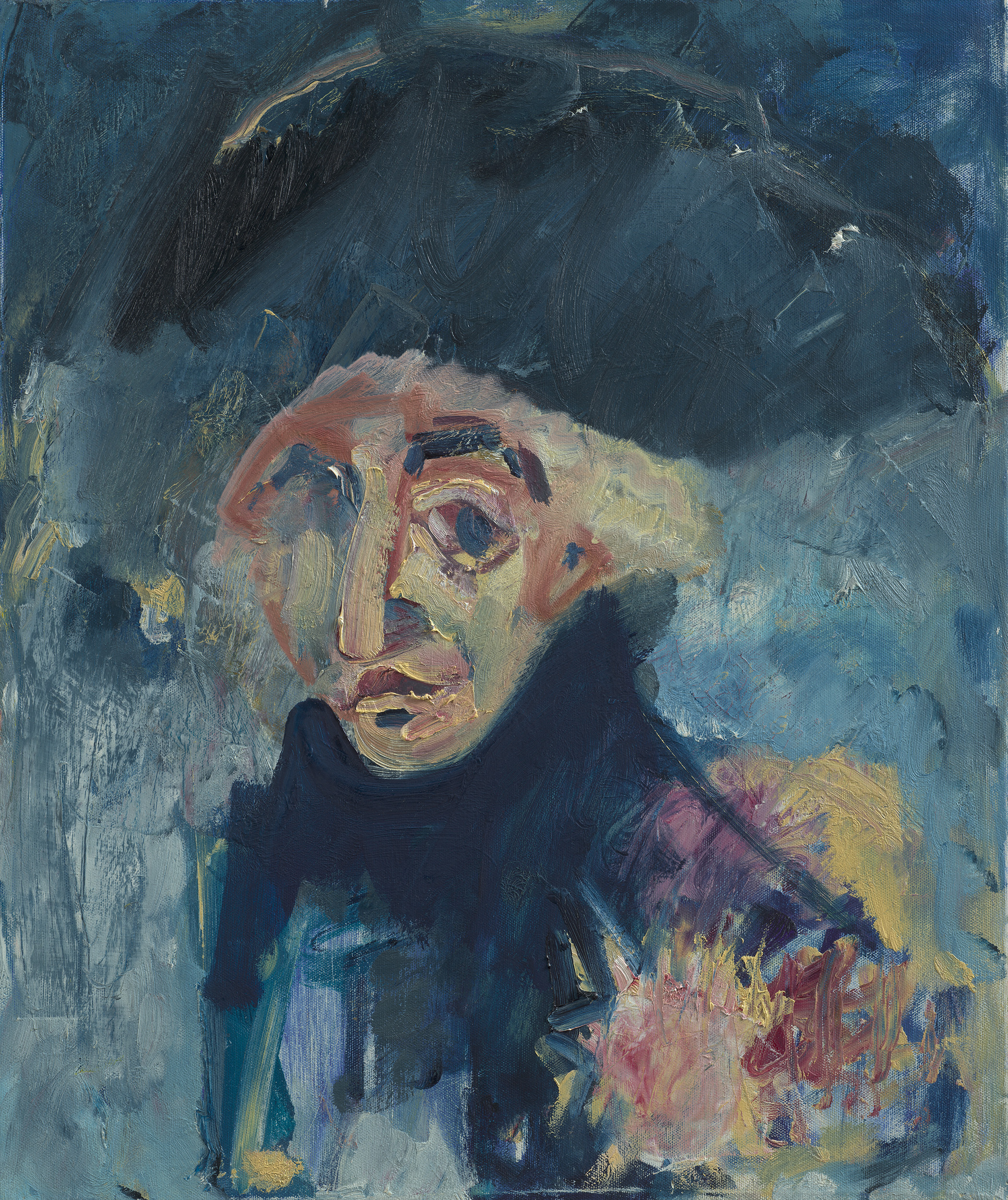
Many thanks to the estate of Dennis Creffield for permission to use the distinctive oil paintings on this website’s homepage (which Mr Creffield produced whilst wearing a tricorn hat for inspiration – I ought to try that one day. Although the pedant in me must point out that Nelson wore a bi-corn hat, not a tri…).
 Nelson The Sailor