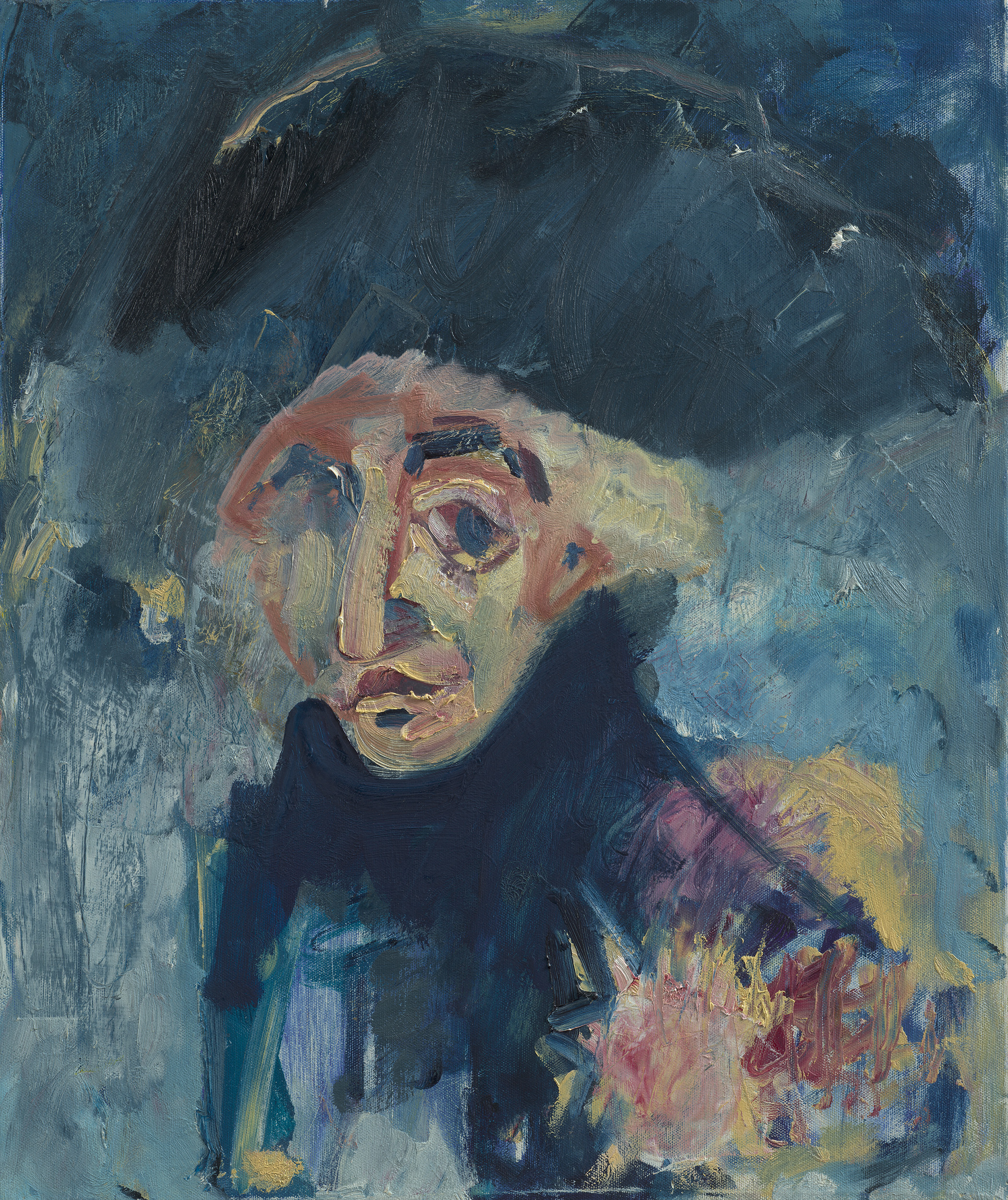
Whilst working on my biography of Nelson, I have stumbled across a good number of spooky tales. Seeing as it’s Halloween, I thought I’d share a quick one.
As with all tales of the supernatural, this comes with a degree of caution. It first appeared in Robert Southey’s anecdote-heavy 1813 biography, The Life of Nelson. That Southey himself cites Nelson’s brother, William, as a direct source doesn’t strictly lend the story the credibility it ought to, either. William had a track record of adjusting facts to suit. That said, as Nelson anecdotes go, this one seems believable. Well, I think so, anyway. You decide…
In his early twenties, Horatio Nelson was posted to the Caribbean. It wasn’t as glamorous as it sounds. His job was to police the waters, stopping American smugglers from shipping illegal trade to and from the islands. Although that may sound like the plot of a pulsating Denzel Washington cop movie about drug trafficking, the daily dreariness and lack of action meant it was more akin to an Ingmar Bergman film about existential misery.
Humid to the point of being maddening, the young Nelson spent his days on the islands clamped to his moist garments, waiting for something interesting to happen. He shaved his head to keep it cool and lice free (and, possibly, to pass half an hour). Then he bought some wigs.
It was all go.
The evenings presented a succession of dinner invitations, followed by limp, wine-addled dances and card schools in the white mansions of red-skinned ex-pats. About the only source of regular entertainment was letter writing. In his dispatches, Horatio called his tropical outpost a ‘vile place’, and joked, or half-joked, of hanging himself there.
Most British seaports and shipping towns had fortune tellers and mystics. The Caribbean was no different. Sailors and their kin knew their lives were precarious and needed assurances of their destiny. Whilst in Barbados, Horatio allegedly visited a ‘seer’. She told him that he would become ‘head of his profession’ by the time he was forty.
‘What then?’ he asked.
The lady replied that she could see no more of his story beyond the year 1805.
‘The book is closed,’ she added.
Decades later, in the early autumn of 1805, the words of the Barbados fortune teller rumbled through Nelson’s mind. Top of his profession by the age of forty? She had been close enough on that score. But what of her seeing no more beyond 1805, and of the book being closed?
When Nelson met his sister Kitty in London that autumn, she remarked how tired and dishevelled he looked.
‘Ah, Katty, Katty,’ he cried. ‘That Gypsy. I can see no further.’
The Battle of Trafalgar, and Nelson’s death, were but days away.
The book was indeed closing.
Happy Halloween!


