
I couldn’t let Nelson’s birthday pass without a post, so here is a bite-sized extract from my upcoming Nelson biography, The Lamented Hero. This piece details some of the grim realities of child mortality at that time.
September 29th, 1758. Michaelmas Day. Burnham Thorpe, Norfolk.
…The sunny late September of 1758 would have been an opportune time for baby Horatio to arrive were it not for the impending winter. In those gloomy months, Parsonage House felt more isolated than ever, prey to window-cracking morning frosts and exposed to North Sea gales driving in uninterrupted from Siberia. The building’s winter rooms were almost wholly dark by 3pm, coloured only by the juddery yellow flicker of candles, each carried from room to room for efficiency’s sake.
The newborn’s parents, Edmund and Catherine Nelson, had already lost a child called Horatio. The boy had survived barely three months in their previous home, Swaffham. Winter by the sea at Burnham Thorpe offered no guarantee that this second Horatio would fare any better.

Horatio Nelson. Horace for short. The esteemed Norfolk parliamentarian, Horace Walpole, once remarked that Horace was the ideal ‘English name for an Englishman’ (although one suspects he may have been somewhat biased on the matter). In a head-spinning state of affairs befitting Georgian family trees, this esteemed Horace Walpole had a cousin called Horace Walpole who also lived in Norfolk and was also a parliamentarian. The Nelsons were related to both, by varying degrees. This second Horace Walpole was less esteemed by comparison, however, but it was possibly he who had secured Edmund Nelson the role of rector in Burnham. And it was after him that the newborn Horatio Nelson was named. Walpole would also be the child’s godfather, although it’s possible he never set eyes on him (or, indeed, intended to).
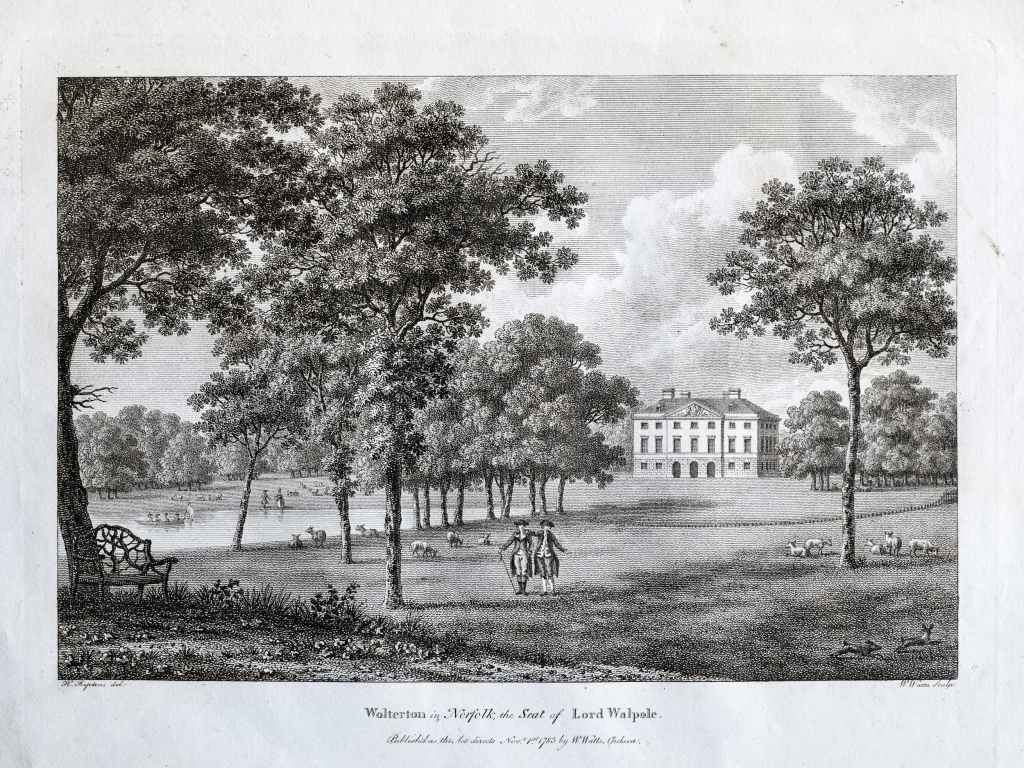
In addition to acquiring a new off-pink godchild of dubious quality, this less-celebrated Horace Walpole had also recently inherited the august north Norfolk residence, Wolterton Hall. (The estate sold for around £25 million in 2023, which gives some idea of its grandeur.) Walpole’s new residence was a mere post-chaise ride from Burnham Thorpe. Edmund and Catherine knew that by declaring Walpole their child’s godfather, they were still loitering within that powerful family’s peripheral vision.
Horatio was Catherine Nelson’s sixth child, of which four had survived. She would ultimately give birth eleven times in seventeen years of marriage. These numbers may seem remarkable to us, but they were not so remarkable for an age in which contraception methods were either laughable or traumatic (on which, more later). It was common for Georgian women to be, as Horatio himself later put it, ‘in the straw’, almost without cessation.
Whether being reared in a Burnham parsonage or an East End hovel, it was a deadly time to be born. About a fifth of Georgian babies died in their first year. A further third then failed to reach the age of five. Later in the century, deep in the burgeoning industrial hotbeds of the north – Manchester, Preston, Liverpool, Leeds – so many children died that the average life expectancy was dragged down to between fifteen and twenty years of age. Of the children baptised by Edmund Nelson during his first two decades working in Burnham churches, he would also oversee nearly half of their funerals. Burnham Thorpe village church, serving a population of around four hundred, conducted seven infant funerals in 1769 alone.
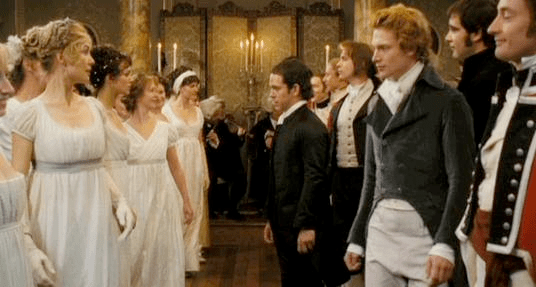
Georgian England is greatly misrepresented by those BBC costume dramas in which dazzlingly dressed young ladies called Fanny flutter and blush across ballrooms towards dashing, chunky-haired rakes called Mr Longwood. The truth is, if we could raise every single Georgian back to life and stand them all together, the resulting crowd would not consist of fops in flouncy wigs, nor corset-clamped dames with beauty spots. Instead, we would see row after row of very gaunt, very young, children.
Mindful of the way of the world, Edmund Nelson anxiously rushed through a private baptism for his newborn at Burnham Thorpe All Saints in that autumn of 1758. Horatio was just ten days old and showing little of the life force. As he thumbed the cold drops of Burnham water onto his baby’s forehead, Edmund could at least reassure himself that, when the poor boy died, he would go straight to heaven.
Fortunately for the history of Great Britain, the little thing still had forty-seven good years left in him.
Perhaps raise a glass to him today, if you get the chance.

